

Massage therapy for veterans, a practice of manipulating soft tissues to promote relaxation and well-being, has been around for centuries. While often associated with stress relief and pampering, massage offers a range of benefits that extend far beyond a simple indulgence. For veterans, a population who may face unique physical and mental health challenges due
The post Massage Therapy’s Impact on Veterans’ Wellbeing appeared first on Calusa Recovery.
Related Posts
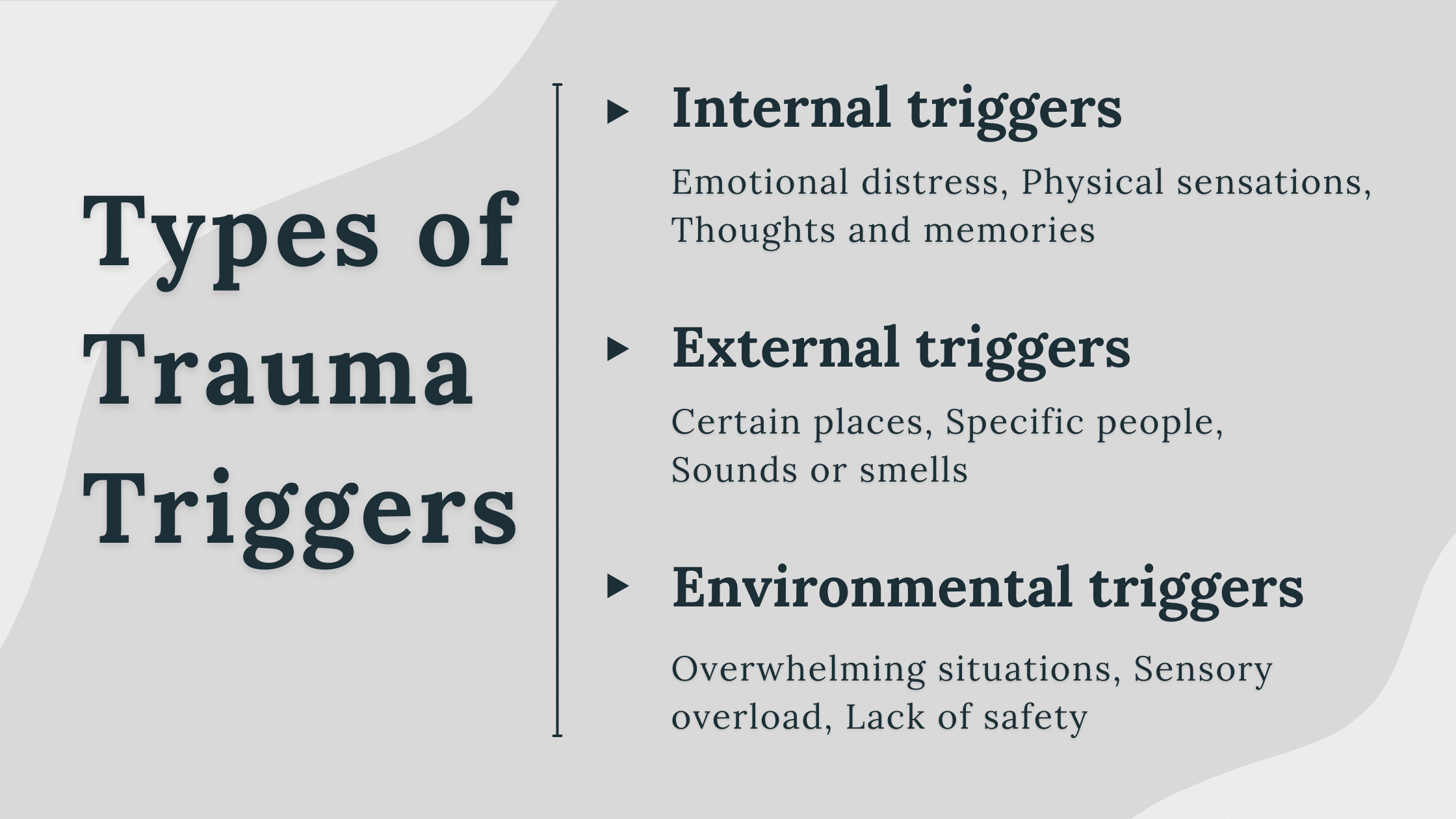
How to deal with triggers from Trauma: A Complete Guide
Trauma triggers are powerful emotional and psychological events that trigger memories, feelings, or physical sensations associated with a traumatic event. Trauma triggers can be visual, auditory, tactile, or a combination of all of the above. A traumatic event can be triggered by a specific situation. So how to deal with, trauma triggers help people who
The post How to deal with triggers from Trauma: A Complete Guide appeared first on Calusa Recovery.

Drug Rehab in Southwest Florida: How Long-Term Recovery Works
Recovery from drug addiction is not a single event – it’s a process that develops over time. Many individuals in Southwest Florida begin treatment expecting quick results, but long-term recovery is built through consistency, structure, and ongoing support. Understanding how recovery works beyond the initial stages of rehab can help individuals stay engaged in treatment and build a more stable, lasting foundation. At Calusa Recovery, we provide structured outpatient addiction treatment for adults throughout Southwest Florida, helping individuals move beyond early recovery and develop the skills needed for long-term success. Recovery Is More Than Stopping Drug Use The first step in recovery is stopping substance use, but lasting change requires addressing the underlying causes of addiction. Long-term recovery focuses on: Understanding emotional and behavioral triggers Developing coping strategies Improving mental health Building structure and routine Strengthening relationships and support systems Without addressing these areas, the risk of relapse remains high. The Early Stages of Treatment Many individuals begin their recovery journey with detox and stabilization. Once medically stable, the focus shifts to structured treatment. During early recovery, individuals work on: Managing cravings Understanding addiction patterns Developing initial coping skills Beginning therapy and self-reflection This stage is critical for building the foundation of recovery. The Importance of Structured Programs Long-term recovery is supported by structured treatment programs that provide consistency and accountability. Calusa Recovery offers multiple levels of outpatient care that help individuals stay engaged while gradually increasing independence. Partial Hospitalization Program (PHP) Our PHP Program provides the highest level of outpatient structure. Clients attend daytime treatment while returning home in the evenings. This program includes: Individual therapy Group counseling Psychiatric evaluation and medication management Relapse prevention planning Emotional regulation and coping skill development PHP is often appropriate for individuals transitioning from detox or those needing intensive support. Intensive Outpatient Program (IOP) The Intensive Outpatient Program allows individuals to attend treatment multiple days per week while maintaining work and family responsibilities. IOP focuses on: Identifying triggers and high-risk situations Strengthening relapse prevention strategies Building accountability and routine Improving emotional awareness Outpatient Therapy Outpatient therapy provides continued support for individuals maintaining progress after higher levels of care. Treating Mental Health Alongside Addiction Many individuals in recovery also experience anxiety, depression, trauma, or other mental health conditions. Treating these challenges is essential for long-term success. Calusa Recovery uses a dual diagnosis approach, addressing both substance use and mental health conditions simultaneously to improve outcomes. Building Long-Term Coping Skills Recovery requires learning how to manage stress, emotions, and life challenges without relying on substances. Treatment helps individuals develop: Healthy coping strategies Emotional regulation skills Problem-solving abilities Confidence in handling difficult situations These skills support long-term stability and independence. The Role of Support Systems Strong support systems are a key part of long-term recovery. This may include: Peer support through group therapy Family involvement when appropriate Continued connection to recovery-focused communities Support helps individuals stay accountable and maintain progress over time. Sober Living and Continued Structure For individuals who need additional support, sober living environments can provide structure and stability while continuing outpatient treatment. Sober living helps individuals: Maintain accountability Build healthy routines Reduce exposure to high-risk environments This added layer of support can strengthen long-term outcomes. Recovery Is an Ongoing Process Long-term recovery is not about perfection – it’s about progress. Challenges may arise, but with the right tools and support, individuals can continue moving forward. Consistent engagement in treatment, therapy, and support systems helps individuals maintain stability and reduce relapse risk. Drug Rehab Support in Southwest Florida Recovery from drug addiction takes time, commitment, and the right level of support. Understanding how long-term recovery works can help individuals stay motivated and focused on their goals. Calusa Recovery provides compassionate, evidence-based outpatient addiction treatment for adults throughout Southwest Florida. Through PHP, IOP, outpatient therapy, dual diagnosis care, and sober living support, our team helps individuals build a strong foundation for lasting recovery. Contact Calusa Recovery today to learn more about drug rehab and long-term recovery options in Southwest Florida.
The post Drug Rehab in Southwest Florida: How Long-Term Recovery Works appeared first on Calusa Recovery.
Mental Health Treatment in Fort Myers: Inpatient vs. Outpatient Care
If you’re searching for mental health treatment in Fort Myers, one of the first decisions you may face is whether inpatient or outpatient care is the right option. Understanding the differences between these levels of care can help individuals and families make informed choices that support long-term stability and recovery. Mental health conditions vary in severity, and the most effective treatment plan depends on symptom intensity, safety concerns, support systems, and daily responsibilities. At Calusa Recovery, we help adults throughout Fort Myers understand their treatment options and determine when structured outpatient care may be appropriate. What Is Inpatient Mental Health Treatment? Inpatient treatment – sometimes called residential care – requires individuals to stay at a treatment facility for a period of time. This level of care provides 24-hour supervision and a highly structured environment. Inpatient treatment may be appropriate when: There is immediate safety risk Severe depression or suicidal thoughts are present Symptoms are causing significant functional impairment There is acute psychiatric instability Intensive stabilization is required Inpatient programs focus on crisis stabilization, safety, and short-term symptom management. What Is Outpatient Mental Health Treatment? Outpatient treatment allows individuals to live at home while attending structured therapy sessions during the day or evening. It offers flexibility while still providing consistent clinical support. Outpatient care is often appropriate when: The individual is medically and psychiatrically stable There is a supportive home environment Daily responsibilities such as work or family need to continue Ongoing therapy and skill-building are needed There is no immediate safety concern Outpatient treatment enables individuals to practice coping skills in real-world settings while receiving professional guidance. Comparing Inpatient and Outpatient Care Inpatient Care: 24/7 supervision Live at facility Short-term stabilization Highly structured environment Outpatient Care: Scheduled therapy sessions Live at home Flexible structure Long-term skill development Both levels can be effective when matched appropriately to clinical needs. Outpatient Mental Health Programs at Calusa Recovery Calusa Recovery provides structured outpatient mental health treatment for adults in Fort Myers who do not require inpatient hospitalization but need more support than traditional weekly therapy. Partial Hospitalization Program (PHP) Our Partial Hospitalization Program PHP offers the highest level of outpatient structure. Clients attend daytime programming and return home in the evenings. PHP includes: Individual therapy Group counseling Psychiatric evaluation and medication management Emotional regulation skill development Coping and stress management strategies PHP is often appropriate for individuals stepping down from inpatient care or those needing intensive support without residential admission. Intensive Outpatient Program (IOP) The Intensive Outpatient Program (IOP) provides therapy multiple days per week while allowing individuals to maintain work or family responsibilities. IOP focuses on: Identifying triggers Managing anxiety and depression Improving emotional regulation Strengthening daily routines Outpatient Therapy Outpatient Counseling offers ongoing support for individuals with milder symptoms or those maintaining progress after higher levels of care. Dual Diagnosis Treatment Many individuals experience both mental health challenges and substance use. Calusa Recovery uses a dual diagnosis approach to treat both simultaneously for improved long-term outcomes. Sober Living Support For individuals who benefit from additional structure, Sober Living provides a supportive, recovery-focused environment while participating in outpatient care. How to Know Which Level Is Right for You A professional assessment can determine the appropriate level of care based on: Symptom severity Safety concerns Mental health history Substance use involvement Support systems at home Functional stability The goal is to match the intensity of care with the level of need. Mental Health Support in Fort Myers Choosing between inpatient and outpatient mental health treatment can feel overwhelming, but help is available. The right level of care can provide stability, structure, and long-term improvement. Calusa Recovery offers compassionate, evidence-based outpatient mental health treatment for adults in Fort Myers. Through PHP, IOP, outpatient therapy, dual diagnosis care, and sober living support, our team helps individuals move toward lasting emotional health. Contact Calusa Recovery today to learn more about mental health treatment options and determine the right level of care.
The post Mental Health Treatment in Fort Myers: Inpatient vs. Outpatient Care appeared first on Calusa Recovery.