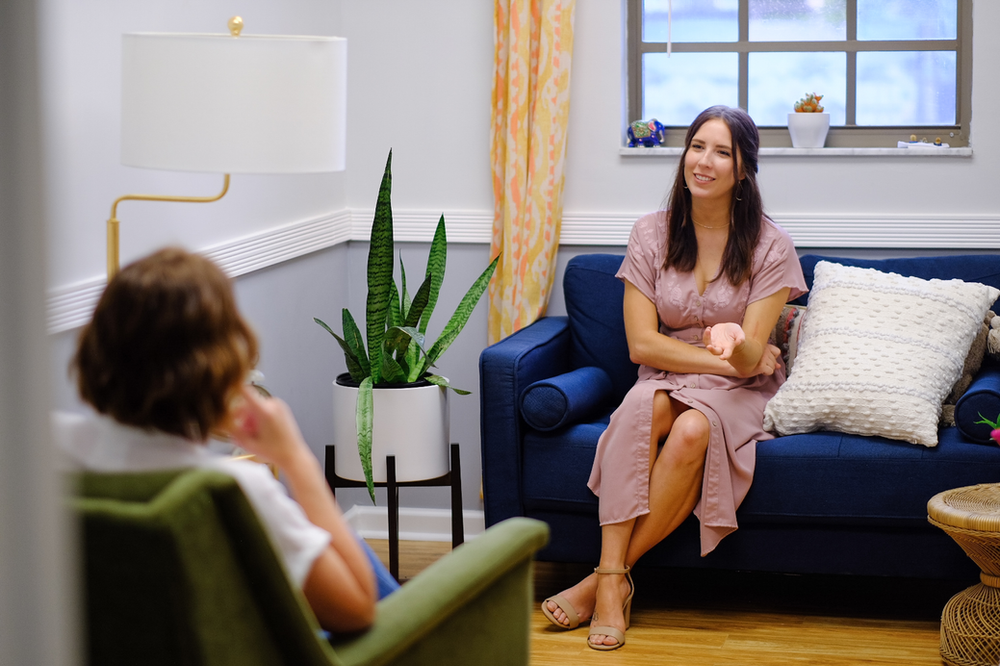


Choosing a holistic wellness therapy residential program means engaging with treatment that addresses your whole self—mind, body, emotions, and spirit. In a residential setting, you live onsite where licensed clinicians and certified holistic practitioners guide you through integrated therapies around the clock. This immersive environment allows you to build healthy habits, explore evidence-based approaches like cognitive behavioral therapy and EMDR, and practice complementary modalities such as yoga, meditation, and expressive arts. By combining these elements, a holistic wellness therapy residential program supports sustainable recovery and helps you cultivate balance long after formal treatment ends.
Understanding holistic wellness therapy
Definition and principles
Holistic wellness therapy residential programs treat you as a whole person, rather than focusing solely on symptoms or diagnoses. You engage with:
- Conventional therapies such as psychotherapy, medication management, and psychoeducational sessions
- Complementary modalities including acupuncture, massage, and nutritional counseling
- Mind-body activities like yoga, Tai Chi, and mindfulness practices
Holistic care recognizes that physical health, emotional well-being, social support, and spiritual growth are interdependent. By weaving these elements into one continuum of care, you create a foundation for long-term resilience and relapse prevention [1].
Historical foundations
The roots of holistic therapy trace back to Ayurveda and traditional Chinese medicine, which emphasize energy balance and the interplay of body systems. Modern holistic residential programs build on these ancient philosophies by incorporating evidence-based treatments such as cognitive behavioral therapy and dialectical behavior therapy alongside complementary practices. Over the past decades, research has validated that combining mind-body modalities with clinical interventions improves outcomes across both mental health and addiction treatment settings [2].
Why residential settings matter
A residential environment offers 24-hour clinical oversight, ensuring immediate access to medical and psychiatric support. Unlike outpatient care, you live onsite with peers and professionals who foster accountability and safety. Residential programs also remove external stressors—work, family disputes, environmental triggers—so you can focus fully on healing. Studies show that this immersive care model increases program completion rates and reduces early dropout [2].
Exploring mind-body modalities
Yoga and movement therapies
In a holistic wellness therapy residential program, yoga and movement modalities help you reconnect with your body and manage stress. Through guided sessions, you learn breathing techniques, posture adjustments, and mindful movement that:
- Reduce anxiety and pain
- Improve flexibility and strength
- Cultivate present-moment awareness
These classes often occur daily in serene studio spaces or outdoors, encouraging you to integrate movement practices into your ongoing wellness routine.
Mindfulness and meditation
Mindfulness therapy promotes emotional regulation by training you to observe thoughts and sensations without judgment. Residential settings often include:
- Guided meditation sessions
- Mindful walking or eating exercises
- Biofeedback or breathing workshops
By practicing mindfulness regularly, you can lower stress hormone levels, enhance self-awareness, and build coping skills that translate to daily life [3].
Expressive and creative therapies
Creative outlets allow you to process trauma, express emotions, and tap into inner resources. Common modalities include:
- Art therapy [4]
- Music and dance therapy
- Drama or narrative exercises [5]
In small groups or individual sessions, you explore symbolism, metaphor, and storytelling. These therapies foster insight, self-confidence, and a sense of accomplishment that strengthens recovery motivation.
Integrating evidence-based therapies
Cognitive behavioral therapy
Cognitive behavioral therapy (CBT) helps you identify and reframe negative thought patterns that fuel addiction and mental health challenges. In a residential format, you engage in both individual and group CBT, learning skills such as:
- Cognitive restructuring
- Behavioral activation
- Coping with triggers
Studies show that integrating CBT into residential care enhances treatment retention and reduces relapse risk [2]. You can learn more about these approaches in our cbt in residential mental health overview.
EMDR and trauma work
Eye movement desensitization and reprocessing (EMDR) is an evidence-based trauma therapy that helps you reprocess distressing memories. Delivered by certified clinicians, EMDR sessions in residential programs often include:
- Stabilization and safety skills
- Bilateral stimulation exercises
- Reprocessing of traumatic events
When combined with holistic supports like mindfulness or yoga, EMDR can accelerate healing and help you regain a sense of control [6].
Dual diagnosis integration
Many clients present with co-occurring substance use and mental health disorders. A holistic wellness therapy residential program coordinates care across disciplines, offering dual diagnosis support that includes:
- Psychiatric evaluation and medication management
- Psychoeducational groups on co-occurring disorders
- Integrated therapy sessions addressing both addiction and mental health
This coordinated approach reduces symptom overlap and ensures you receive comprehensive, personalized care [7].
Recognizing holistic therapy benefits
Physical wellness improvements
By addressing nutrition, exercise, sleep, and relaxation, holistic residential care helps you rebuild physical health. You may participate in:
- Nutritional counseling and meal planning
- Regular fitness classes
- Acupuncture or massage for pain management
These practices reduce withdrawal discomfort, stabilize energy levels, and support long-term wellness.
Emotional and mental support
Holistic therapy strengthens emotional regulation and resilience. Through individual therapy [8], group sessions [9], and family support [10], you develop empathy, communication skills, and self-compassion. As a result, you navigate challenges with greater confidence and are less likely to rely on substances or maladaptive coping.
Social cohesion and peer support
Living and healing alongside peers fosters camaraderie and accountability. Shared meals, group outings, and support circles create bonds that encourage honesty and mutual encouragement. These connections often extend beyond discharge, forming lasting support networks that enhance post-treatment stability.
Spiritual and personal growth
Holistic residential programs often include opportunities for spiritual exploration—interfaith counseling, meditation retreats, or creative writing exercises. Whether you follow a particular faith or seek secular mindfulness, these practices help you reconnect with purpose, meaning, and inner peace [11].
Highlighting program essentials
Personalized treatment planning
A core feature of holistic wellness therapy residential settings is individualized care. At Florida Oasis, multidisciplinary teams collaborate to design your treatment plan, blending:
- Evidence-based modalities (CBT, EMDR, trauma therapy)
- Mind-body practices (yoga, meditation, expressive arts)
- Lifestyle and wellness services (nutrition, fitness, vocational support)
This flexible framework ensures you receive therapies aligned with your goals and preferences [12].
24-hour clinical oversight
Residential programs provide round-the-clock supervision by licensed professionals. Continuous monitoring delivers:
- Medical and psychiatric support available at any hour [13]
- Immediate crisis intervention and safety checks
- Prompt adjustments to treatment plans based on your evolving needs
This level of care ensures stability and reduces the risk of complications during detoxification and therapy.
Aftercare and relapse prevention
Effective holistic programs include structured follow-up services designed to maintain progress:
- Family therapy sessions to rebuild trust and communication [10]
- Community outreach or alumni groups for ongoing peer support
- Relapse prevention planning with coping strategies and resource referrals
These aftercare measures help you transition smoothly into daily life and reinforce long-term healing [13].
Choosing your residential program
Accreditation and staff credentials
When evaluating holistic wellness therapy residential options, verify:
- Facility licensure and accreditation by recognized bodies
- Qualifications of clinical and holistic practitioners
- Staff-to-client ratios and availability of on-site specialists
A well-credentialed team ensures treatment integrity and safety.
Environment and amenities
Consider the setting and amenities that support your healing:
- Campus style: private rooms, communal spaces, nature access
- Wellness facilities: fitness centers, meditation rooms, therapy studios
- Recreational options: art studios, gardens, stress-reduction lounges
Choose a program where you feel comfortable and supported throughout your stay.
Insurance and financial considerations
Most residential programs accept insurance, but coverage varies by plan. Early verification helps you:
- Understand co-pays, deductibles, and out-of-pocket costs
- Maximize network benefits
- Explore flexible payment options or financial aid
Contact your provider and the admissions team at your chosen facility to clarify benefits before enrolling.
Conclusion
A holistic wellness therapy residential program offers you an immersive path to healing by blending proven clinical interventions with complementary mind-body modalities. By understanding how these elements work together—through integrated treatment planning, 24-hour supervision, and robust aftercare—you can select a program that aligns with your needs and goals. Whether you’re seeking trauma-informed therapies like EMDR, structured approaches such as CBT, or holistic supports like yoga and expressive arts, a residential setting provides the ideal environment for deep transformation and sustained recovery.
References
- (Medical News Today)
- (Oxford Treatment)
- (Recovery.com)
- (art therapy residential florida)
- (narrative therapy in rehab)
- (trauma therapy in rehab florida, emdr residential florida)
- (dual diagnosis therapy florida)
- (individual therapy in residential facility)
- (group therapy in residential care)
- (family therapy residential florida)
- (Skyland Trail)
- (holistic therapy in residential care)
- (Centered Health)
The post Why Holistic Wellness Therapy Residential Settings Boost Healing appeared first on Florida Oasis Mental Health Center.