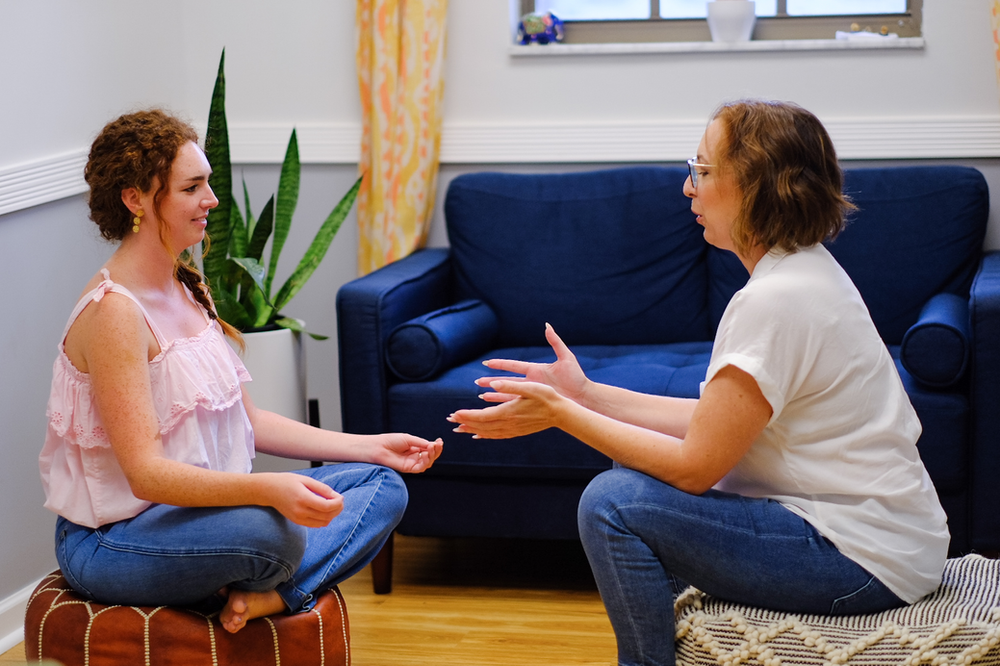


Understand somatic therapy
Somatic therapy in residential care invites you to explore how trauma and stress live in your body. Unlike traditional talk-focused approaches, this form of therapy starts with physical sensations, helping you release tensions and trapped emotions. If you’re weighing somatic therapy in residential care alongside other treatment options, you’ll want to know how it works, what evidence supports it, and how it fits into a comprehensive recovery plan.
Definition and principle
Somatic therapy is a mind-body approach that treats trauma as both a psychological and physical experience. It focuses on:
- Interoceptive signals, or how you feel sensations like tightness or warmth internally
- Proprioceptive awareness, or your sense of body position and movement
- Gradual release of physical tension tied to past trauma
One well-studied model, Somatic Experiencing® (SE), avoids intense re-exposure to traumatic memories. Instead, it guides you through a bottom-up process to renegotiate stress responses without overwhelming your system (PubMed Central).
Differentiation from talk therapy
While cognitive behavioral therapy (CBT) helps you challenge unhelpful thoughts and beliefs, somatic therapy targets bodily responses first. Here’s a quick comparison:
| Aspect | CBT in residential mental health (/cbt-in-residential-mental-health) | Somatic therapy in residential care |
|---|---|---|
| Primary focus | Thoughts and behaviors | Bodily sensations and movement |
| Common techniques | Cognitive restructuring, exposure tasks | Breathwork, grounding, mindful movement |
| Typical goal | Reframe negative thinking | Release physical tension and restore safety |
| Evidence base | Extensive randomized controlled trials | Promising but still emerging [1] |
Explore evidence and benefits
As you assess somatic therapy in residential care, consider both the research on trauma relief and the wider impacts on wellbeing.
Trauma symptom reduction
A scoping review of 16 studies up to 2020 found that Somatic Experiencing® can significantly reduce PTSD-related symptoms, with positive effects maintained up to one year after treatment [1]. Key outcomes included:
- Lower scores on standard PTSD symptom scales
- Decreased anxiety and depressive symptoms
- Improved self regulation and resilience
Practitioners and clients consistently report that building internal resources (for example, improved body awareness) and using gentle touch (self-touch or therapist touch) are vital to creating a sense of safety.
Holistic well-being
Beyond PTSD, somatic therapy shows preliminary benefits for:
- Chronic pain management and kinesiophobia reduction
- Enhanced quality of life and coping skills
- Improved sleep, lowered stress, and greater emotional balance
A 2023 overview in Harvard Health Publishing notes that somatic approaches—such as acupressure, dance, and hypnosis—help you release emotions stored in the body, though it recommends pairing them with more researched therapies like CBT initially (Harvard Health Publishing).
Compare research findings
Somatic therapy research has grown, but questions remain about its overall strength and generalizability.
Key therapeutic factors
Studies identify two method-specific elements crucial for success in residential settings:
- Resource orientation: strengthening your internal and external coping tools
- Integrative touch: using self-touch or a therapist’s gentle contact to foster safety
Both factors support self regulation and a gradual “renegotiation” of trauma responses without retraumatizing.
Gaps and future studies
Despite encouraging results, many trials have small sample sizes or lack rigorous controls. Researchers call for:
- More randomized controlled trials with diverse populations
- Standardized intervention protocols
- Long-term follow-up data beyond one year
Until then, somatic therapy remains a promising but not standalone solution for complex trauma.
Integrate complementary modalities
You don’t have to choose between somatic therapy and evidence-based treatments. Many residential programs blend approaches to meet your unique needs.
Combine with CBT and EMDR
- Pair somatic work with cbt in residential mental health to address both body sensations and thought patterns
- Integrate sessions of emdr residential florida to process traumatic memories alongside body-focused grounding
Daily mind-body practices
Building embodiment into your routine can enhance therapy gains. Consider:
- Grounding techniques like progressive muscle relaxation or body scanning
- Breathwork sessions to calm the nervous system
- Gentle movement practices such as yoga or tai chi
- Mindful walking between group sessions [2]
These self-care habits help you maintain balance between formal sessions and everyday life.
Choose the right program
Not all residential centers offer robust somatic therapy options. Here’s how to find a setting that integrates body-focused work within a broader treatment plan.
Florida Oasis integrated model
At Florida Oasis, you’ll experience a holistic approach that combines:
- Somatic therapy in residential care with daily somatic exercises guided by qualified practitioners
- Evidence-based treatments like trauma therapy in rehab florida and dual diagnosis therapy florida
- Specialized support for both mental health and addiction, ensuring you address co-occurring disorders
Their designed environment and interdisciplinary team help you feel secure as you rebuild bodily awareness and emotional resilience.
Supporting therapies in residential care
Somatic therapy works best alongside other modalities. Look for programs offering:
- Group therapy in residential care to foster peer support
- Individual therapy in residential facility for personalized guidance
- holistic therapy in residential care options like art and music
- family therapy residential florida to mend relationships
- psychoeducational therapy florida for skills building
- integrated psychotherapy residential combining modalities under one roof
By choosing a center that balances somatic techniques with proven treatments such as CBT, EMDR, and trauma-informed care [3], you give yourself the best chance at lasting recovery.
By understanding the principles, evidence, and practical integration of somatic therapy in residential care, you can make informed decisions about your healing journey. Whether you focus on body-based release or combine it with talk therapies and holistic supports, a well-rounded program empowers you to rebuild safety, resilience, and well-being.
References
The post The Truth About Somatic Therapy in Residential Care You Need appeared first on Florida Oasis Mental Health Center.