

In a 1955 speech, Dr. Martin Luther King Jr. famously declared that of all forms of inequality, injustice in health is the most “shocking and inhumane.” Yet racial and ethnic health inequities remain pervasive across all state health systems* (PDF | 3.5 MB). Fortunately, with hard work and the passage of time, health equity progress does take root and grow. Indeed, there are significant advances to achieving health equity for African Americans and other marginalized populations.
Related Posts
Advancing Behavioral Health Equity and Language Justice: SAMHSA’s Updated Language Access Plan
At the Substance Abuse and Mental Health Services Administration (SAMHSA), we know that every one of us, regardless of who we are or our background, deserves access to quality behavioral health care resources and services. In everything that we do, we strive to advance equity, eliminate health disparities, and promote overall well-being for all, including individuals with non-English language preference (NELP). After all, language is not just a means of communication; language is also about creating opportunity, embracing cultural identity, creating connection, and fostering belonging.
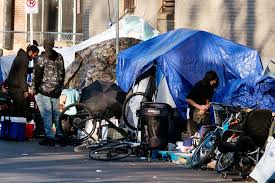
Addressing Social Determinants of Health Among Individuals Experiencing Homelessness
Over 582,000 individuals across the country were experiencing homelessness on a single night in 2022. The Point-in-Time (PIT) census is a count of sheltered and unsheltered individuals experiencing homelessness on a single night in January. The PIT count is valuable in quantifying homelessness, identifying year-over-year trends, and supporting policy development.

SAMHSA Commits to Sustaining and Accelerating HIV Progress
World AIDS Day, established in 1988 and observed annually on December 1, is a day to commemorate the 42 million people globally who have died from AIDS-related illnesses since the start of the epidemic, and honor the more than 39 million people including 1.2 million Americans, living with HIV around the world.