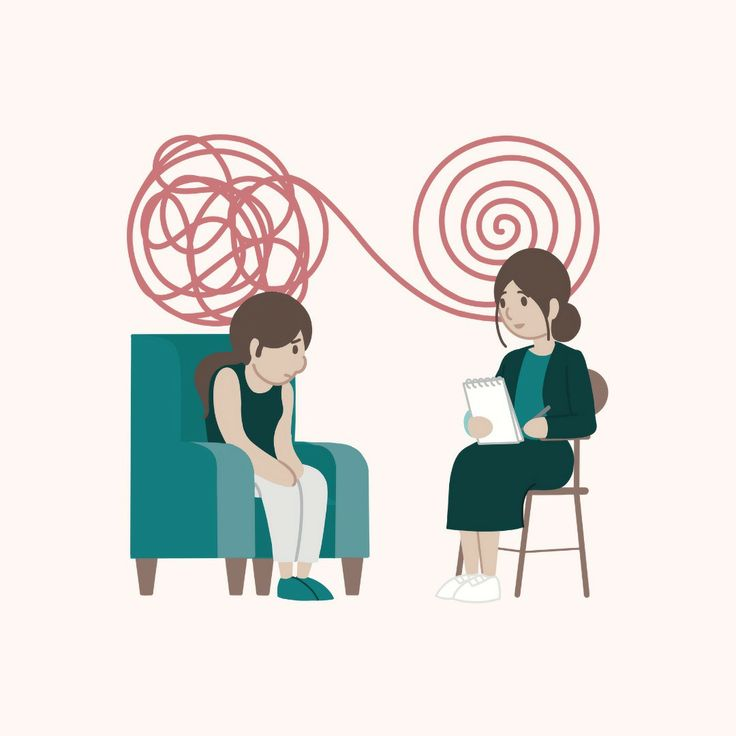


When you’re comparing therapeutic modalities in addiction residential Florida programs, EMDR therapy stands out for its trauma-focused approach. EMDR (Eye Movement Desensitization and Reprocessing) helps you reprocess distressing memories that fuel substance use, making it a powerful addition to traditional interventions in a residential setting. Integrating EMDR into addiction residential Florida treatments equips you with healthier coping strategies, reduces relapse risk, and addresses underlying PTSD, guilt, or shame that may accompany your recovery journey. As you explore evidence-based options, understanding how EMDR works alongside other therapies at Florida Oasis can guide your decision and support lasting healing.
Understanding EMDR in recovery
What is EMDR therapy
EMDR therapy uses bilateral stimulation—typically guided eye movements—to activate your brain’s natural information-processing system. During sessions, you recall traumatic or triggering memories while following the therapist’s hand movements or auditory cues. This process helps “unstick” unprocessed experiences, allowing them to integrate more adaptively and lose their emotional charge. In addiction residential settings, EMDR focuses on memories tied to substance use triggers, paving the way for emotional relief and healthier behavioral responses.
EMDR phases and process
EMDR follows an eight-phase protocol that ensures safety and thorough reprocessing:
- History and treatment planning
- Preparation and stabilization
- Assessment of target memories
- Desensitization with bilateral stimulation
- Installation of positive beliefs
- Body scan for residual tension
- Closure to restore equilibrium
- Reevaluation at the next session
This structured framework lets you build coping skills in early phases before tackling deeper trauma, making EMDR suitable for many individuals in residential care.
EMDR for addiction treatment
Targeting traumatic triggers
Trauma often underlies addictive behaviors, whether it’s childhood abuse, combat exposure, or other adverse experiences. EMDR addresses these root causes by reprocessing distressing events that may drive you toward substances for relief. By reframing negative beliefs—like “I am powerless” or “I don’t deserve peace”—EMDR reduces the emotional intensity of those memories. As a result, you become less reactive to triggers and better equipped to maintain sobriety.
EMDR research and evidence
A growing body of research supports EMDR’s role in addiction residential treatment:
| Study | Setting | Key outcome |
|---|---|---|
| EMDR in Florida residential programs [1] | Compassion Behavioral Health | Reduced relapse rates, improved coping strategies |
| RCT on EMDR + TAU [2] | Inpatient center, Germany | Greater PTSD symptom reduction at 6-month follow-up |
| EMDR for veterans [3] | VA and TRICARE programs | Enhanced PTSD and substance use outcomes |
These findings show you can expect measurable benefits in symptom reduction and long-term recovery when EMDR supplements standard addiction care.
Implementing EMDR in Florida
Residential program integration
In your residential treatment, EMDR is delivered alongside individual and group modalities. You might attend weekly one-on-one EMDR sessions integrated with individual therapy in residential facility and group therapy in residential care. This layered approach ensures your trauma work happens in a safe, supportive environment, surrounded by peers who understand the recovery process.
Insurance and coverage
Many Florida facilities offering EMDR accept private insurance, and some also work with Medicaid or Medicare. The VA and TRICARE cover EMDR for eligible veterans [3]. Lower-income individuals may access EMDR through Medicaid-accepting centers. Before you commit, verify your coverage with a benefits check to understand out-of-pocket costs.
EMDR combined with other therapies
CBT and dual diagnosis
Cognitive behavioral therapy is a cornerstone of residential care, helping you identify and reframe distorted thoughts linked to substance use. Combining EMDR with cbt in residential mental health and dual diagnosis therapy florida addresses both trauma and co-occurring disorders like anxiety or depression. This integrated approach strengthens your resilience by targeting thought patterns and emotional wounds simultaneously.
Holistic and expressive supports
Beyond trauma-informed and cognitive therapies, Florida Oasis offers a spectrum of complementary supports. You can engage in holistic therapy in residential care, mindfulness therapy residential florida, and somatic therapy in residential care to reconnect mind and body. Creative outlets such as art therapy residential florida and expressive therapy florida oasis help you explore emotions nonverbally, while narrative therapy in rehab supports reframing your personal story.
Florida Oasis’s comprehensive model
Evidence-based approach
At Florida Oasis, EMDR is part of a holistic continuum that includes trauma therapy in rehab florida, psychoeducational therapy florida, and integrated psychotherapy residential. You’ll benefit from certified EMDR therapists who collaborate with your primary counselor to personalize treatment goals. This synergy ensures you receive consistent support in processing trauma, building coping skills, and managing relapse triggers.
Holistic wellness supports
Your recovery extends beyond talk therapy. Florida Oasis integrates family therapy residential florida to rebuild relationships and mend support networks. Group counseling in residential florida fosters peer accountability, while recreational and wellness activities—such as yoga, meditation, and nutrition coaching—promote overall balance. With access to residential therapy modalities florida spanning mind, body, and spirit, you’re set up for sustainable change.
Preparing for EMDR therapy
Patient readiness
EMDR requires you to revisit difficult memories, so emotional stability is key. In your initial sessions, the therapist assesses your coping resources and teaches self-soothing techniques. If you feel unsure, discuss concerns with your counselor—they’ll help you build grounding skills until you’re ready for the full EMDR protocol.
Therapy expectations
Expect each 50-minute EMDR session to focus on one target memory. You’ll identify negative beliefs and desired positive statements, then process the memory through bilateral stimulation. Progress varies—some memories resolve quickly, while others need multiple sessions. Regular reevaluation ensures you’re moving toward your goals without becoming overwhelmed.
Maximizing EMDR benefits
Ongoing support
After completing EMDR phases, you’ll continue applying new insights in individual and group sessions. Your care team may recommend booster EMDR sessions if new triggers emerge. Stay connected with alumni programs or aftercare groups to reinforce skills and maintain accountability.
Relapse prevention
EMDR sharpens your awareness of internal cues and emotional triggers. Paired with strategies from mindfulness therapy residential florida and relapse prevention planning, you’ll learn to intercept cravings before they escalate. By addressing trauma at its root, EMDR helps you break free from the cycle of substance use and build a resilient foundation for long-term recovery.
Integrating EMDR therapy into addiction residential Florida treatment transforms your healing journey by targeting the core traumas that often drive substance use. When you choose a program like Florida Oasis that blends EMDR with CBT, trauma-informed care, and holistic modalities, you’re investing in a comprehensive, evidence-based path to wellness. Explore how EMDR can elevate your recovery by visiting our page on emdr residential florida.
References
The post How EMDR Therapy Transforms Addiction Residential Treatment in Florida appeared first on Florida Oasis Mental Health Center.