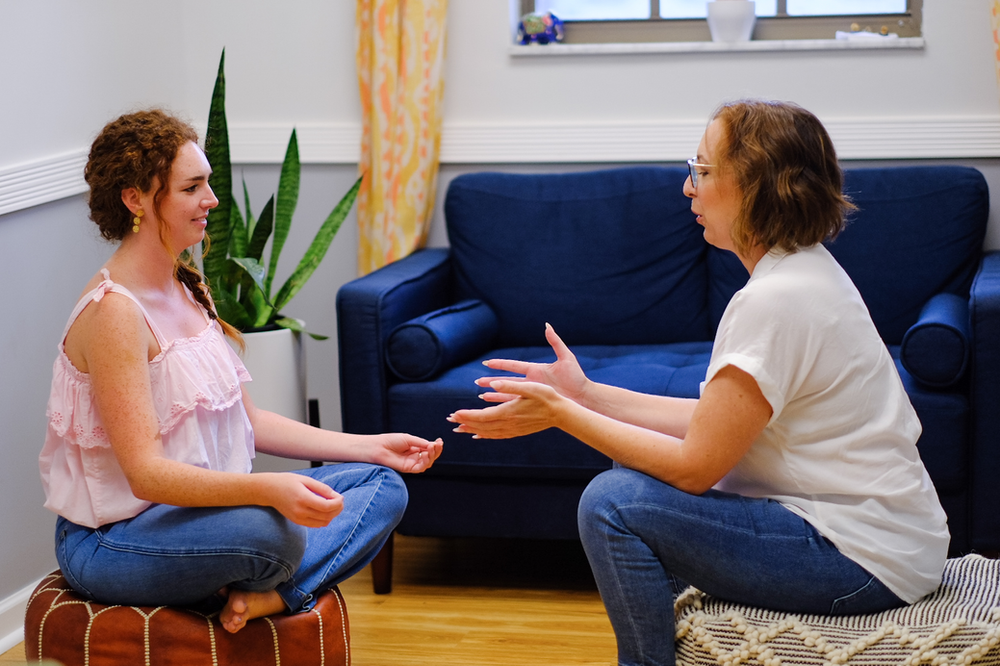


Understand group therapy in residential care
When you enter a residential treatment program, group therapy in residential care becomes a central component of your healing journey. In a structured setting, you join peers with similar challenges, fostering a supportive environment where shared experiences drive recovery. This collective approach leverages therapeutic group sessions, group counseling, and peer-led discussions to address mental health conditions, trauma, addiction, or co-occurring disorders under professional supervision.
What is group therapy
Group therapy involves a trained facilitator guiding a small cohort of residents—typically 7 to 10 members—through exercises, discussions, and activities. You and your peers explore thoughts, feelings, and behaviors in a safe space, learning coping strategies and practicing interpersonal skills. Rather than one-on-one sessions, the group dynamic encourages feedback, empathy, and mutual accountability.
How group sessions work
In residential care, group sessions are scheduled regularly—daily or several times per week—creating routine and continuity. Common group types include psychoeducational lectures, skills development workshops, cognitive-behavioral discussions, and support circles. Each session follows a clear agenda: opening check-in, thematic activity or discussion, skills practice, and closing reflections.
Role of social identity
Your well-being improves when you identify with a supportive community. A social identity framework explains why group therapy works: seeing yourself as part of a healing group strengthens belonging and collective self-esteem [1]. This shared identity reduces isolation, reshapes self-perception, and motivates you to engage actively.
Discover key benefits
Group therapy in residential care offers multifaceted gains that extend beyond symptom reduction. When you commit to regular sessions, you can expect improvements in cognition, emotional health, social skills, and long-term recovery outcomes.
Enhance memory performance
Group reminiscence therapy—where members recall and discuss past events—has been shown to boost memory in older adults. In a six-week study comparing group reminiscence, individual reminiscence, and a control activity, only group interventions produced significant gains in recall and cognitive function [1].
Boost cognitive and physical health
Experience-based group therapy, combining cooking and physical activities over ten weekly sessions, led to a 1.17-point rise in Mini Mental State Examination-Korean scores among elderly participants with mild dementia. Physical function also improved, with GPT scores increasing by 0.75 points [2]. Engaging in familiar tasks reduces boredom and stimulates coordination.
Improve emotional well-being
Participating in group therapy reduces depression and anxiety. After ten sessions of cooking and movement exercises, Geriatric Depression Scale Korean Version results dropped by an average of 5.08 points, while quality of life rose by 9.75 points on the GQOL-D scale [2]. Reminiscence approaches also decrease loneliness and hopelessness among seniors in long-term care [3].
Foster accountability and belonging
Group therapy strengthens accountability through peer motivation and feedback. As you share goals and setbacks, peers encourage you to stick to treatment plans and celebrate milestones. This mutual support builds resilience and a sense of belonging that extends beyond your residential stay [4].
Explore proven group therapy modalities
A variety of group therapy models are used in residential care, each tailored to specific needs and recovery stages. Understanding these options helps you choose the approaches that resonate with your goals.
Group reminiscence therapy
Recollection sessions focus on sharing positive memories and life stories. In both standard and specialized dementia care units, group reminiscence improved memory performance and overall well-being compared to individual or non-therapeutic activities [1].
Experience-based activities
Weekly cooking classes and gentle exercise groups tap into familiar skills, reducing stress and boosting self-confidence. These sessions not only engage cognitive and motor functions but also foster camaraderie through shared tasks [2].
Cognitive behavioral groups
Cognitive-behavioral group therapy helps you identify and challenge unhelpful thought patterns, replacing them with constructive behaviors. This evidence-based approach is widely used in residential programs to address anxiety, depression, addiction triggers, and trauma responses. Learn more about CBT in group settings in our overview of cbt in residential mental health.
Psychoeducational sessions
Structured psychoeducational groups cover topics like relapse prevention, communication skills, and emotional regulation. By integrating information with skills practice, you gain knowledge and immediate tools for coping. Explore our guide to psychoeducational therapy florida.
Support and interpersonal process groups
These groups prioritize open dialogue and emotional processing. You learn active listening, empathy, and constructive feedback techniques. Support groups evolve from leader-directed to peer-led formats as you progress, reinforcing self-esteem and social accountability [5].
Recognize common challenges
Despite its benefits, group therapy can pose barriers. Identifying these issues empowers you to address them proactively and get the most out of your sessions.
Engagement and participation
Some members hesitate to speak up due to social anxiety or fear of judgment, limiting their involvement and the group’s cohesion [6]. Facilitators use icebreakers and gradual exposure to encourage sharing.
Dominating behaviors
When a few participants monopolize discussions, quieter members may feel sidelined. Skilled therapists employ turn-taking strategies and set clear group norms to maintain balance and ensure diverse voices are heard [6].
Confidentiality issues
Worries about privacy can deter open communication. Group leaders emphasize confidentiality agreements and safe-space reminders to build trust and encourage honest dialogue [6].
Conflict management
Differing life experiences can spark tension. Proactive conflict resolution techniques—such as “I” statements, active listening, and mediated discussions—help maintain a supportive atmosphere [6].
Mitigate risks and maximize safety
While most participants benefit from group therapy, a minority may experience adverse effects. Understanding risk factors and safety measures ensures a secure environment.
Screen high-risk individuals
Certain personality disorders, severe self-esteem problems, or poor social skills correlate with negative outcomes in group settings. Early screening and alternative referrals for individuals at risk can prevent harm [7].
Provide strong leadership
Facilitator style matters. Leaders need specialized training, self-awareness, and peer support to manage countertransference and group dynamics. Both confrontational and laissez-faire styles can exacerbate harm if unmoderated [7].
Adopt a trauma-informed approach
Integrating trauma-informed principles—such as safety, choice, and empowerment—helps you feel secure. These practices align with trauma informed therapy florida oasis and ensure that group work does not re-traumatize participants.
Integrate holistic supports
To complement traditional group therapy, holistic modalities address mind, body, and spirit, enriching your residential care experience.
Incorporate mindfulness practices
Mindfulness groups teach techniques like breathing exercises and body scans to enhance present-moment awareness. Consistent practice reduces stress and improves emotional regulation [8].
Add expressive and art therapies
Creative modalities such as music, dance, and drama allow nonverbal expression. Art therapy groups use visual arts to explore emotions, while expressive therapy can include role-play and storytelling [9].
Include somatic and wellness methods
Body-centered approaches incorporate yoga, breathwork, and movement to release trauma stored in muscles. Somatic therapy fosters mind-body integration and supports overall wellness [10].
Choose the right program
Selecting a residential care provider with robust group therapy offerings ensures that your needs are met across evidence-based and holistic domains.
Evaluate therapy offerings
Look for programs that combine group modalities—CBT, psychoeducational, support groups—with specialized treatments like dual diagnosis therapy florida or trauma therapy in rehab florida. A diverse menu of options means you can find the best fit for your recovery goals.
Florida Oasis’s integrated approach
At Florida Oasis, group therapy coexists with EMDR, individual trauma work, and holistic supports. You’ll engage in cognitive-behavioral groups [11], reminiscence sessions, and mindfulness circles, all under expert facilitation. Our integrated model includes emdr residential florida, psychoeducational therapy florida, and holistic wellness therapy residential to address mental health, addiction, and trauma comprehensively.
Plan for continuity
Sustaining progress requires seamless transition to outpatient care. Florida Oasis supports your ongoing journey through individual therapy in residential facility, family therapy residential florida, and community-based group counseling [12].
Conclusion
Group therapy in residential care offers you a multifaceted pathway toward healing—enhancing cognition, boosting emotional health, and fostering lasting social connections. By exploring proven modalities, recognizing potential challenges, and integrating holistic supports, you can maximize the benefits of shared therapeutic work. When you choose a program like Florida Oasis with evidence-based group models and complementary wellness therapies, you set the stage for sustained recovery and personal growth. Take the next step and discover how group therapy can transform your journey toward health and wholeness.
References
- (PubMed)
- (PMC)
- (Rosewood Nursing)
- (Citizen Advocates)
- (NCBI Bookshelf)
- (Carrara Treatment)
- (PMC)
- (mindfulness therapy residential florida)
- (expressive therapy florida oasis, art therapy residential florida)
- (somatic therapy in residential care, holistic therapy in residential care)
- (cbt in residential mental health)
- (group counseling in residential florida)
The post Why Group Therapy in Residential Care Might Be Right for You appeared first on Florida Oasis Mental Health Center.